
Justice Catalysts
RESEARCH FOR A MORE JUST WORLD
Justice is not a passive ideal; it requires catalysts. My multidisciplinary research lab—Justice Catalysts—investigates how law, economics, and public policy can advance justice in society.
RESEARCH STREAM: SOCIAL NETWORK DISCRIMINATION
The Limits of Colorblind Policies
What is social network discrimination?
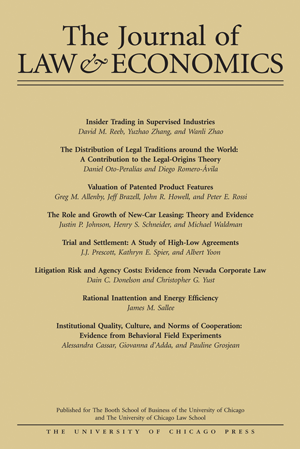
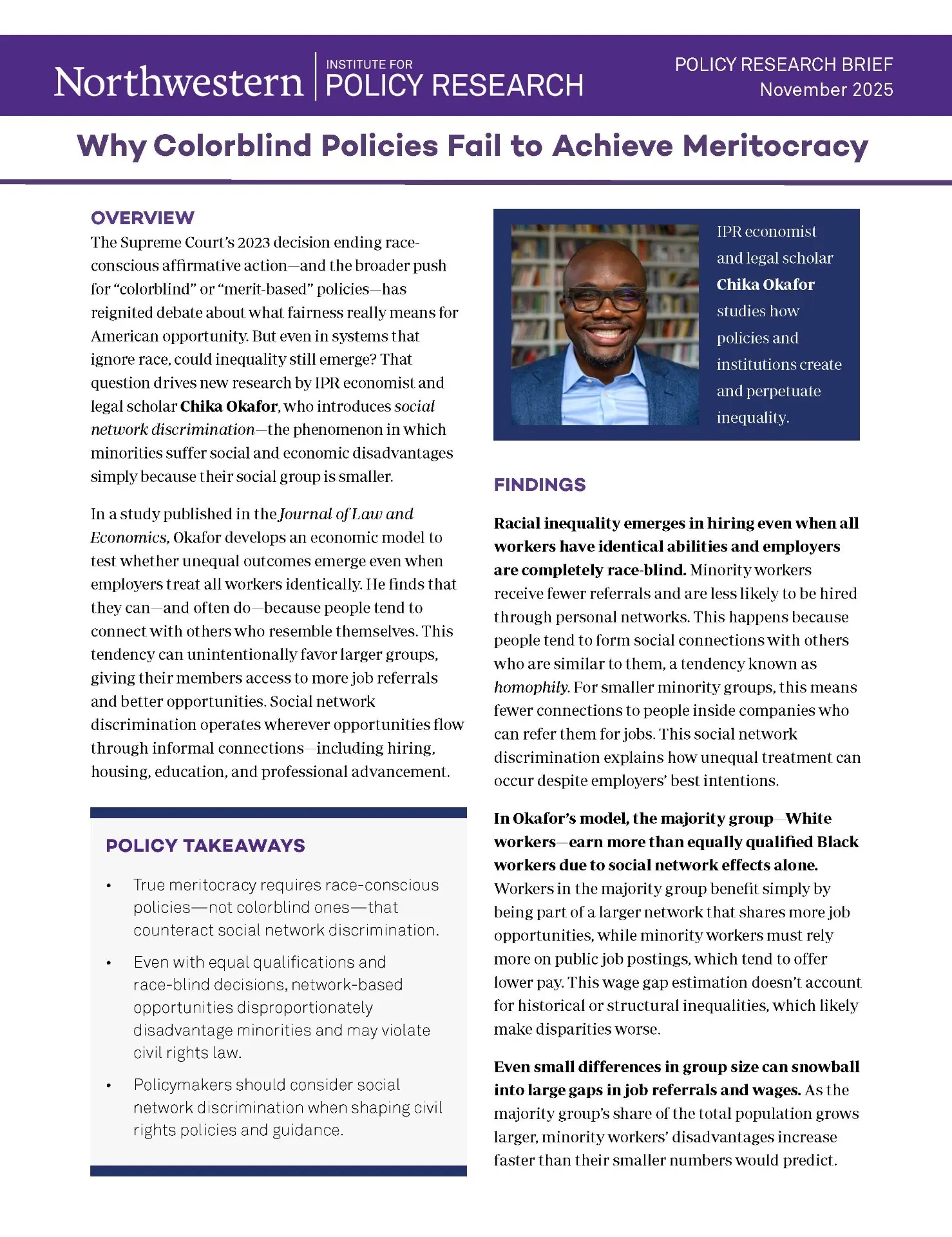
My research, published in The Journal of Law & Economics, originates the concept of social network discrimination. Opportunity flows through relationships—and when people naturally connect with others like themselves, minorities receive systematically fewer economic and social opportunities simply because their social group is smaller.
No one intends to discriminate. But the result is the same. The implications span economic inequality, education, political representation, and constitutional law—including live questions before the U.S. Supreme Court.
→ Published in The Journal of Law & Economics (2025)
→ Published in North Carolina Law Review (2024)
→ Featured on NPR's All Things Considered
→ "Best Paper with Student Presenter" — MD4SG Conference
In the Press
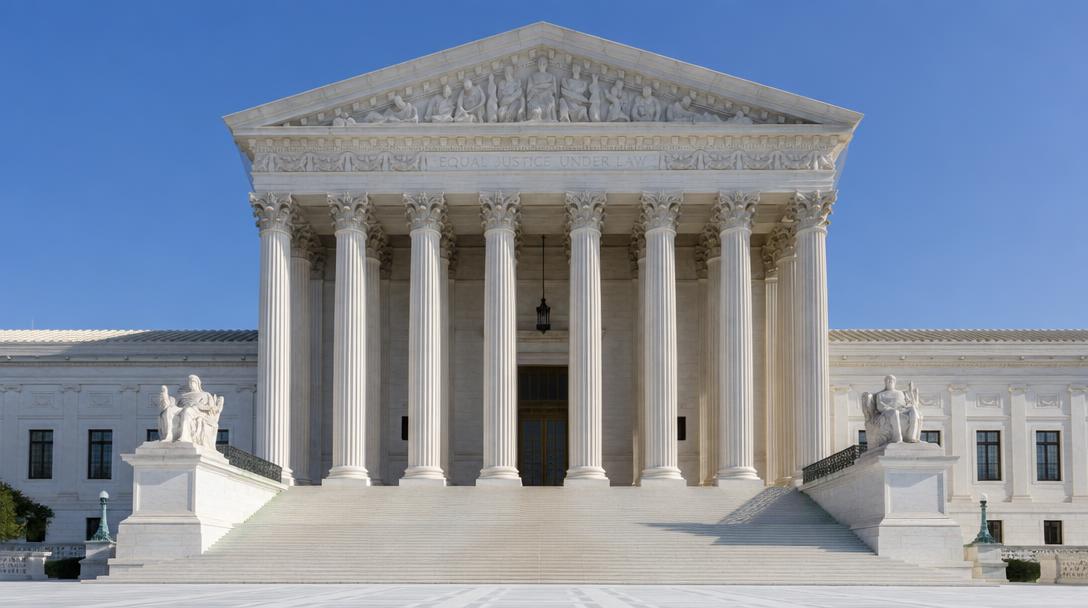

The Supreme Court's Math on "Colorblindness" Doesn't Check Out
Voting Rights Act analysis: social network discrimination reveals why the Supreme Court's math in Louisiana v. Callais doesn't add up.
Read on Slate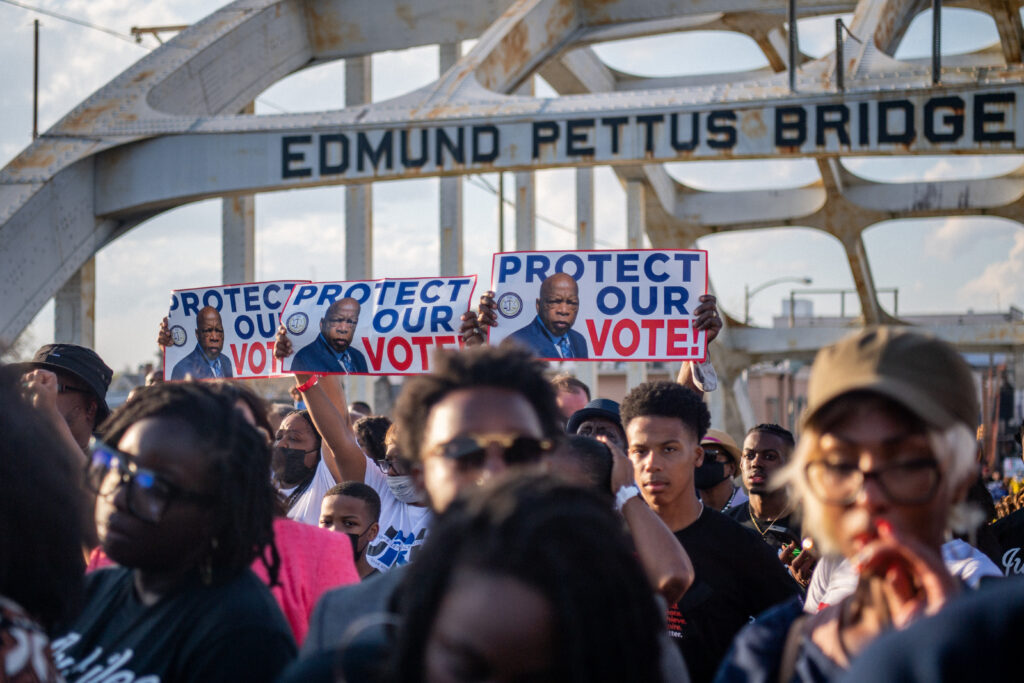

Equal Rules Don't Produce Equal Opportunity
Why colorblind redistricting isn't neutral — and what it means for Supreme Court case Louisiana v. Callais
Read on Democracy Docket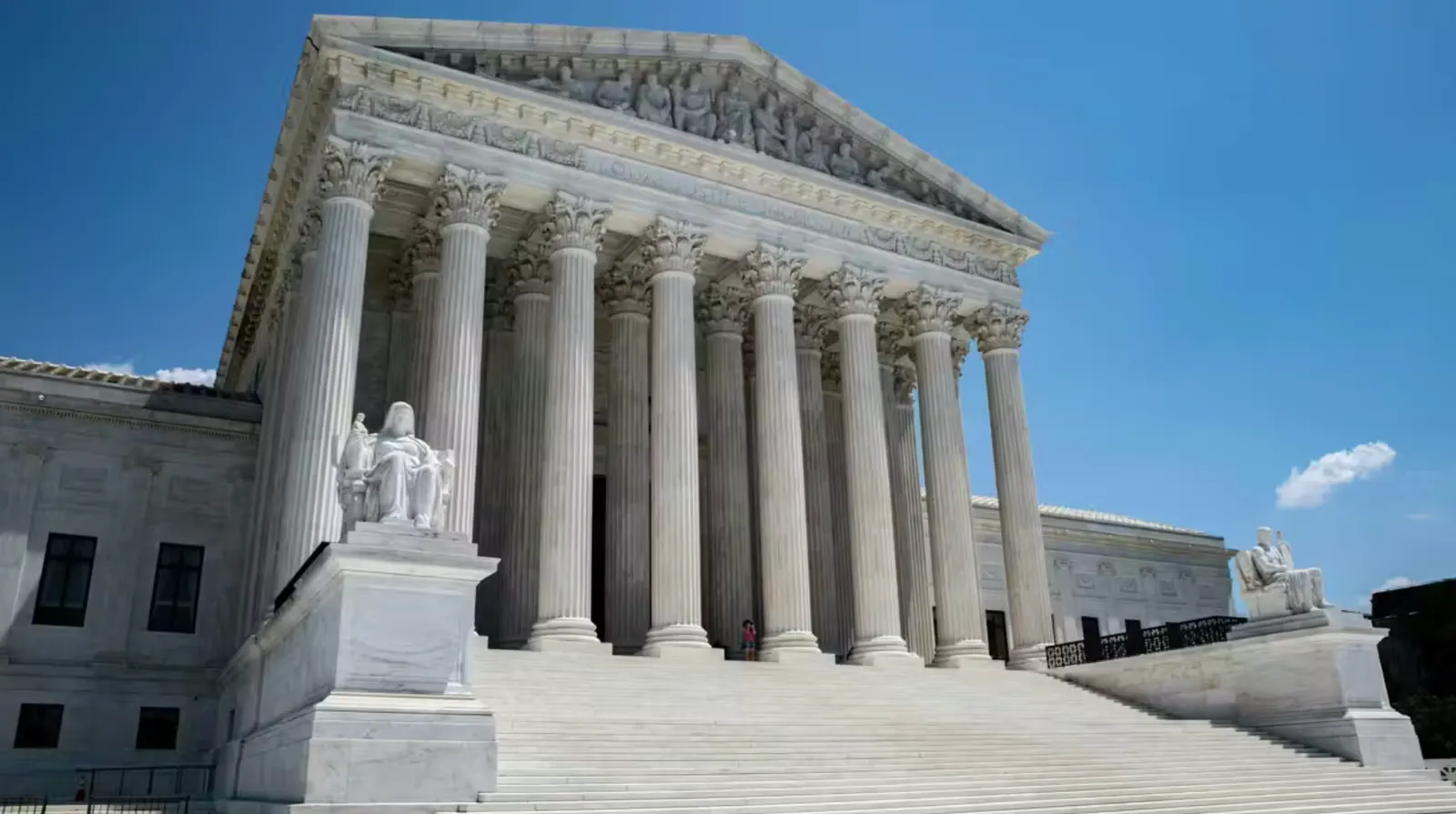


All Things Considered
Featured on NPR's flagship news program (and WBEZ Chicago)
RESEARCH STREAM: CRIMINAL JUSTICE
Local Prosecutors and Their Impact on Society
The criminal legal system does not just respond to crime—it responds to public sentiment. My research reveals how prosecutor election cycles affect criminal sentencing levels, with sentencing patterns shifting systematically around elections even when crime rates remain constant.
Prosecutors are the most powerful yet least studied actors in criminal justice. Understanding how politics shapes their decisions is essential for meaningful reform.
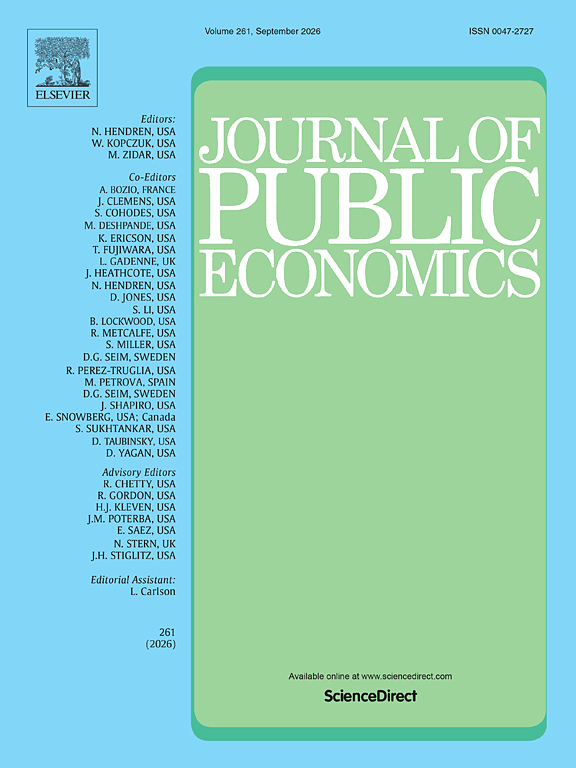
→ Published in the Journal of Public Economics (2026)
→ Featured in Harvard Gazette
→ Harvard Horizons Scholar presentation (2022)
Harvard Horizons presentation


RESEARCH STREAM: CLIMATE CHANGE
Mobilizing Climate Action
Economic justice. Racial justice. Criminal justice. Climate change threatens to worsen all of them—from the floodplains in the Mississippi Delta to extreme droughts in the plains of Kenya.
Yet in the United States, popular support for aggressive climate action still lags far behind the science. This research asks why—and what can be done about it. Drawing on educational psychology and economic analysis, it explores how to teach the public about climate change in ways that actually encourage action.
→ Ana Aguado Prize, Harvard University (2024) — best paper by doctoral student in environmental, natural resource, or energy economics.
→ Featured by Harvard Radcliffe Institute



FROM DIAGNOSIS TO ACTION
Justice Catalysts exists because diagnosis is only the beginning. The same research that reveals the problem points toward what must be done in response.